Adding space to a home is a common challenge for homeowners across South East London. With property prices remaining high and moving often impractical, many households look to extend their existing living space instead. The question most people face is whether a garden room or a home extension is the right solution.
Both options can provide valuable extra space, but they suit different properties, lifestyles, and budgets. For owners of Victorian terraces in Lewisham, Edwardian semis in Bromley, or family homes in Orpington, the decision is rarely straightforward.
This guide compares garden rooms vs home extensions in detail, covering planning rules, cost, disruption, flexibility, and long-term value. It is written specifically for South East London homes, helping you make an informed decision before committing to a major investment.
If you are considering a bespoke build, you can explore our Garden Rooms and Garden Annexes services for tailored solutions.
What Is a Garden Room?
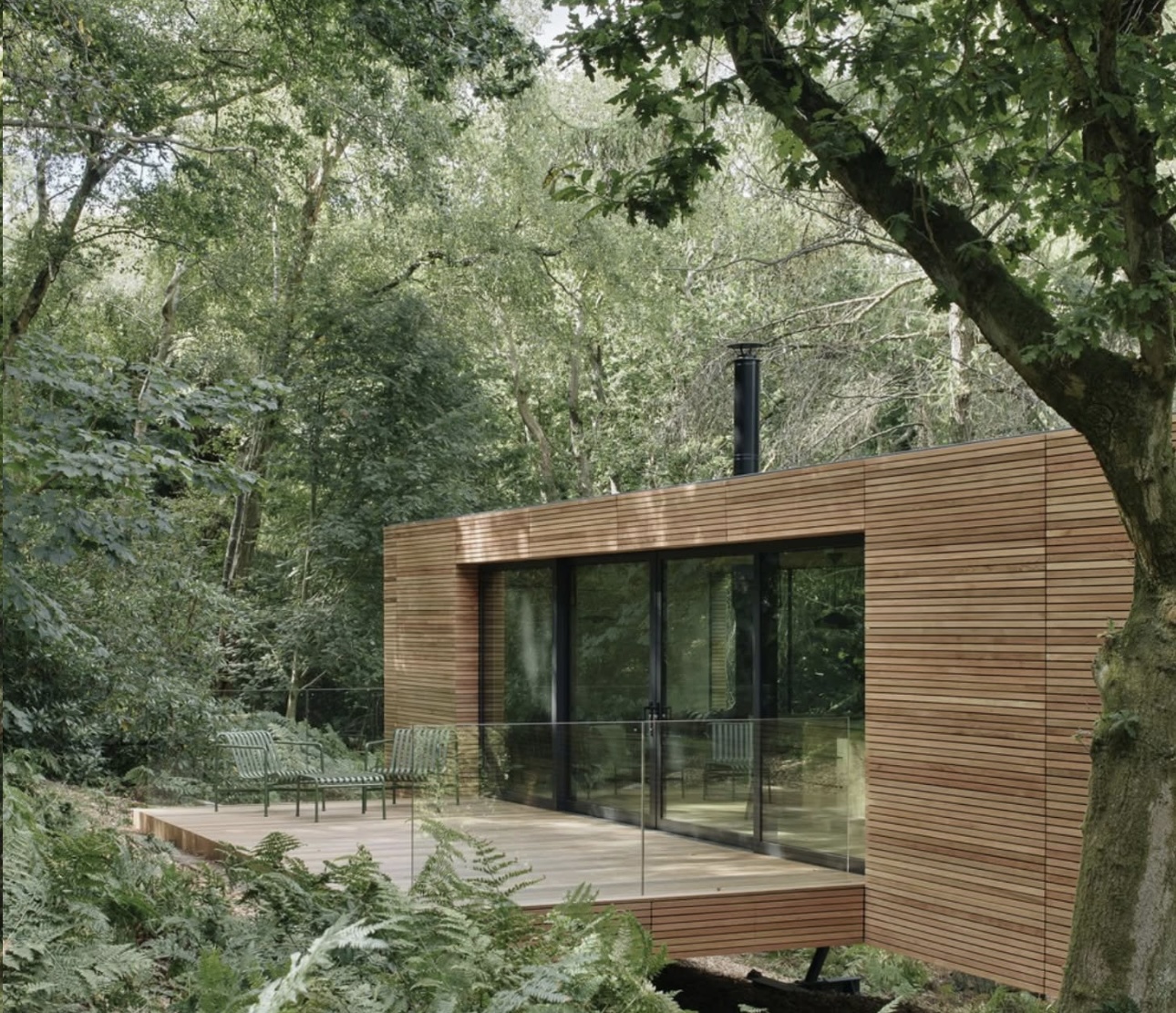
A garden room is a detached, purpose-built structure located within your garden. Unlike sheds or flat-pack buildings, modern garden rooms are fully insulated, professionally constructed, and designed for year-round use.
In South East London, garden rooms are commonly used as:
- Home offices
- Creative studios
- Home gyms
- Music or art rooms
- Guest accommodation, where regulations allow
Garden rooms are classed as ancillary buildings, meaning they support the main home rather than altering it. This makes them a popular option for homeowners who want extra space without major structural changes.
High-quality garden rooms are typically bespoke, designed around the available space, access, and intended use. This allows for better insulation, layout flexibility, and long-term comfort.
Explore bespoke Garden Rooms built for year-round use.
What Is a Home Extension?
A home extension expands the footprint of the main house by building onto it. Extensions are often chosen when homeowners want to enlarge existing living areas or add bedrooms directly connected to the home.
Common types of home extensions in South East London include:
- Rear extensions
- Side return extensions
- Wraparound extensions
- Loft conversions, often considered alongside extensions
Extensions are typically used to:
- Enlarge kitchens or dining spaces
- Create open-plan living areas
- Add extra bedrooms or bathrooms
While extensions can significantly increase internal space, they involve structural work to the existing property. This can lead to longer build times and greater disruption, particularly in terraced or semi-detached homes.
Planning Permission & Regulations, How Do They Compare?
Planning permission is one of the most important factors when comparing garden rooms vs home extensions.
Planning Rules for Garden Rooms
Many garden rooms fall under Permitted Development, meaning planning permission is often not required. However, restrictions apply around:
- Height and size
- Placement within the garden
- Intended use
If a garden room includes a bathroom, kitchen, or is used as guest accommodation, planning permission may be required. Local interpretation can vary between boroughs such as Lewisham, Bromley, and Greenwich.
Planning Rules for Home Extensions
Home extensions are more likely to require planning permission, especially in:
- Terraced properties
- Conservation areas
- Projects exceeding Permitted Development limits
Party wall agreements are also common, particularly in South East London’s terraced housing stock.
For official guidance, homeowners should consult gov.uk planning guidance. Local councils may also apply additional requirements.
Professional advice at an early stage can prevent costly delays or redesigns.
Cost Comparison for South East London Homes
Cost is a major consideration for homeowners deciding between a garden room and a home extension.
Cost of Garden Rooms
Garden rooms are typically more cost-effective than extensions. Pricing is influenced by:
- Size and layout
- Insulation and construction method
- Services such as electrics, water, or air conditioning
One advantage of garden rooms is clearer budgeting. Costs are usually defined early, with fewer hidden variables.
Cost of Home Extensions
Home extensions generally involve higher upfront costs. Structural complexity, ground conditions, and integration with existing buildings can all affect pricing.
Extensions are also more prone to unexpected costs, such as drainage issues or structural alterations discovered during the build.
For homeowners needing self-contained accommodation, a bespoke Garden Annexe can sometimes offer better value than a full extension.
Disruption & Build Time, What Should You Expect?
Disruption with Garden Rooms
Garden rooms are built away from the main house, which means:
- Less noise inside the home
- Minimal impact on kitchens, bathrooms, and living areas
- Faster build times in most cases
This makes garden rooms particularly appealing to families and home workers across South East London.
Disruption with Home Extensions
Home extensions often require internal access throughout the build. This can involve:
- Noise and dust
- Temporary loss of rooms or facilities
- Reduced privacy during construction
For households living in the property during works, this disruption can be significant.
Space, Flexibility & Future Use
Flexibility is where garden rooms often stand out.
Flexibility of Garden Rooms
Garden rooms can adapt over time. A space used as an office today can become:
- A gym
- A studio
- A guest room
The physical separation from the main house also supports focus, well-being, and work-life balance.
Flexibility of Home Extensions
Extensions are integrated into the house and usually designed for a specific purpose. Once complete, altering their use can be costly and impractical.
For homeowners who value future-proofing, this difference is worth careful consideration.
Impact on Property Value in South East London
Both options can add value, but the impact varies.
Property Value and Garden Rooms
Garden rooms add functional space, which is increasingly attractive to buyers seeking:
- Home working options
- Flexible living arrangements
In properties with gardens, a well-built garden room can enhance appeal without reducing garden usability significantly.
Property Value & Home Extensions
Extensions can increase value substantially, but the cost-to-value ratio depends on:
- Location
- Build quality
- Overdevelopment risks
Extending too far can sometimes limit returns, particularly in areas where outdoor space is highly valued.
Which Option Is Right for You?
There is no single right answer, but certain scenarios favour one option over the other.
A Garden Room May Be Better If:
- You want faster completion
- Minimising disruption matters
- Flexibility is important
- You work from home or need separation
A Home Extension May Be Better If:
- You want to enlarge core living spaces
- Direct internal access is essential
- Planning constraints allow it
- Budget allows for longer build times
Many homeowners also consider Garden Annexes as a middle ground when additional facilities are required.
Conclusion, Get Expert Advice Before You Decide
When comparing garden rooms vs home extensions, the right choice depends on your property, lifestyle, and long-term plans. For South East London homes, garden rooms often provide a flexible, lower-disruption alternative, while extensions suit those needing integrated internal space.
Local knowledge matters. Understanding planning rules, property styles, and practical build considerations can save time and money.
If you are unsure which option suits your home, speak to experienced local specialists before committing.
Get advice on whether a garden room or home extension is right for your South East London home.
Request a free consultation with KF Crafts today.